

 See My Latest Article on HelloNation
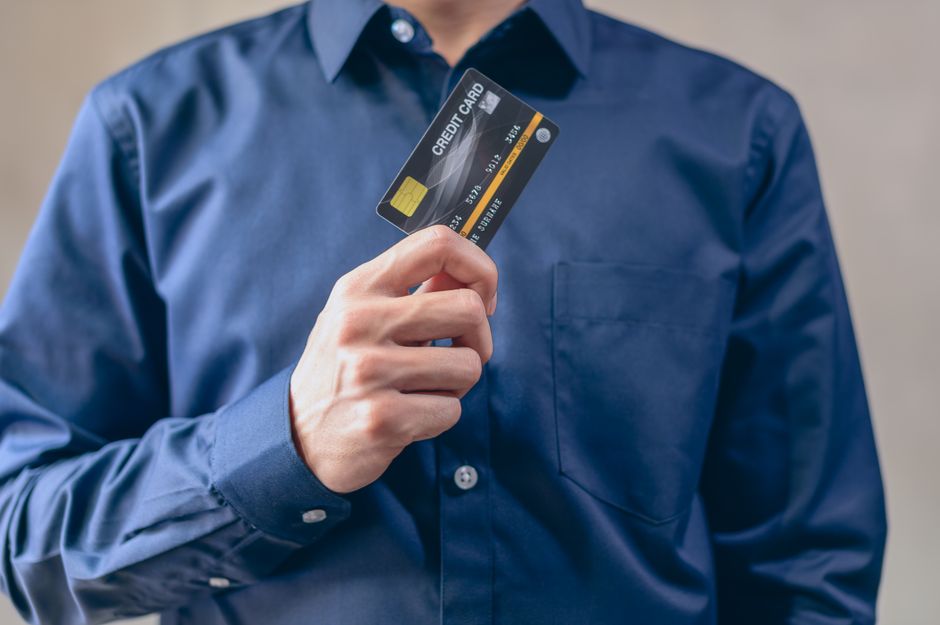
What Are Debit Cards and Credit Cards?
Debit and credit cards are plastic or metal payment tools commonly used by local households to access funds or pay for goods and services. Though they look similar, they work in fundamentally different ways.
Debit cards draw directly from money already in your checking account, while credit cards let you borrow up to a certain limit and pay that amount back later. Both options eliminate the need to carry cash, but knowing how each operates is essential for confident, safe, and responsible use.
How Does a Debit Card Work?
A debit card is directly tied to a checking account. Using it for a purchase or ATM withdrawal means spending your own money immediately.
Cardholders enter a PIN or provide a signature at checkout. The funds are usually deducted from the account on the same day. In Amherst, residents often use debit cards for everyday spending, such as at grocery stores, gas stations, or when running errands with family.
Key details:
- Transactions reduce your available balance instantly
- Overdrafts can occur if your balance isn’t enough to cover charges
- Useful for budgeting, since you can only spend what is available
How Does a Credit Card Work?
A credit card represents a line of credit from a financial institution. Using it lets you borrow up to a certain limit, with the promise to pay some or all of it back later.
At the end of each monthly billing cycle, you receive a statement showing total purchases, minimum payment, and the due date. If the full balance is not paid, interest may be charged on the remaining amount.
Key characteristics:
- Purchases are not immediately withdrawn from a personal account
- Credit limit determines the maximum you can borrow
- Interest charges apply to unpaid balances
What Are the Advantages of Each Type?
Debit cards are often preferred for daily purchases and local errands, making it easier to control spending and avoid debt. Most cards also offer fraud protection and are widely accepted throughout the region.
Credit cards can provide additional protections, such as extended warranties or insurance for certain purchases. They also enable building a credit history—a valuable consideration for local residents planning to apply for loans, mortgages, or rent homes.
Are There Risks or Fees to Be Aware Of?
Yes, both debit and credit cards can involve costs or pitfalls if not used carefully.
Debit cards:
- Overdraft fees if spending exceeds available funds
- Some out-of-network ATM withdrawals incur charges
- Immediate impact if card is lost or stolen, though protections exist
Credit cards:
- Interest charges on unpaid balances
- Potential for debt accumulation if not paid in full each month
- Late fees if payments are missed
It’s especially relevant for area households to review local account terms and fee schedules, since they may differ from place to place.
How Do Cards Affect My Credit Score?
Only credit cards directly impact your credit score. Responsible use, such as paying bills on time and keeping your balance low, helps build a stronger profile for future borrowing. Missing payments or carrying a high balance may lower a credit score, which can affect loan or mortgage applications in the city.
Debit card use is not reported to credit bureaus and therefore does not influence credit.
What Should I Know About Card Security?
Protecting your card information is increasingly important. Both debit and credit cards offer security protections, but how issues are resolved can differ.
Reporting a lost or stolen debit card quickly is crucial to limit unauthorized withdrawals, as funds leave your account instantly.
Credit cards often provide stronger fraud protections, where unauthorized charges can usually be disputed without direct impact on your checking or savings account.
Locally, it's a good idea to familiarize yourself with your financial institution’s fraud response process, especially if you make purchases online or travel with your card.
Are There Limits on How I Can Use My Card?
Debit cards are often restricted to the balance available in your checking account, plus any authorized overdraft protection. Credit cards have a preset credit limit. Some cards limit withdrawals or purchases within a 24-hour period for added security.
In areas with harsh winters like Amherst, online shopping with cards can be convenient when travel is difficult. Residents should still check for safe internet connections and reputable websites to avoid fraud.
What If My Card Doesn’t Work?
Several reasons might cause a card to be declined, including:
- Insufficient funds (debit card)
- Exceeded credit limit (credit card)
- Expired card
- Suspicious or out-of-pattern activity flagged for fraud prevention
If a card stops working, residents can often find support through their financial institution's customer service, or by reviewing their account activity to resolve issues.
Is One Type Better for Everyday Use?
The best choice depends on your spending habits, comfort with credit, and financial goals. Many local households use both: debit cards for groceries, bills, or setting personal spending limits; credit cards for larger purchases, emergencies, or online transactions where added protection is useful.
Understanding the core differences and potential consequences of each card can help area families make informed, confident financial decisions—whether running errands locally or shopping online during unpredictable weather.